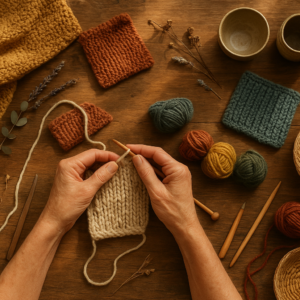

Something is shifting in the world of handmade crafts — and it goes well beyond aesthetics. More makers are rethinking what they reach for when they sit down to create. Instead of defaulting to synthetic materials, plastic-based adhesives, or mass-produced embellishments, a growing number of crafters are deliberately choosing materials that carry less environmental weight. The result isn’t a compromise. In many cases, it’s some of the most visually compelling, texturally rich work being made right now.
Sustainable materials aren’t a passing trend for the craft community. They represent a genuine rethinking of what the creative process can look like — from the first supply order to the finished piece. This article explores how eco-conscious materials are changing modern crafts, what’s actually available to everyday makers, and why so many people are finding that working with natural and reclaimed materials feels more satisfying than ever.
What “Sustainable Crafting” Actually Means
The word “sustainable” gets overused to the point of losing meaning, so it’s worth being precise. In the context of crafting, sustainable materials generally fall into a few categories:
- Renewable natural materials — things like cotton, linen, wool, bamboo, and cork that can be regrown or regenerated
- Reclaimed or upcycled materials — salvaged wood, vintage fabric, repurposed paper, or secondhand notions that would otherwise go to waste
- Biodegradable materials — items that will break down naturally at end of life rather than persisting in landfill
- Low-impact processed materials — materials that have been produced with reduced chemical use, water consumption, or carbon output
A truly sustainable craft practice usually involves some combination of all four. It rarely means perfection — it means making more thoughtful choices more often.
Examples of Eco-Friendly Craft Materials That Are Actually Worth Using
One of the biggest myths about sustainable materials is that they’re harder to work with or produce inferior results. The reality is that many natural and reclaimed materials are beloved by experienced crafters specifically because of their unique properties.
Natural Fibers and Textiles
Organic cotton, undyed wool, raw linen, hemp fabric, and Tencel (a fiber made from sustainably sourced wood pulp) are all widely available and genuinely beautiful to work with. For fiber artists, weaving enthusiasts, and sewists, these materials offer textures and draping qualities that synthetics simply can’t replicate. Organic wool, for instance, hasn’t been treated with the chemical scour processes that strip fiber of its natural lanolin, which means it behaves differently under the hands — softer in some cases, more resilient in others.
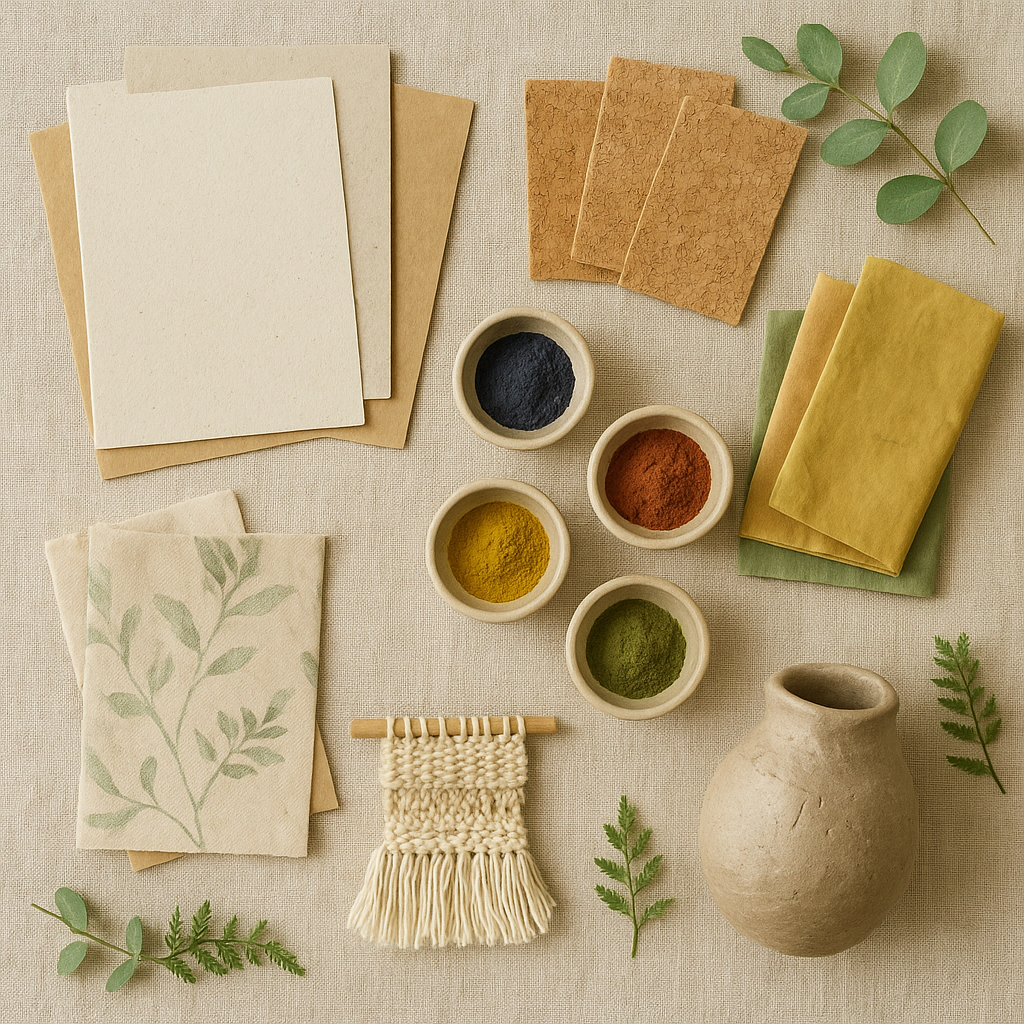
Natural dyes are making a significant comeback alongside these fibers. Indigo, madder root, black walnut hulls, and onion skins are all being used by crafters to achieve rich, complex color without synthetic dye chemicals. The results are often more nuanced than anything from a box.
Reclaimed Wood and Paper
Wood crafters have long understood the appeal of reclaimed lumber — it often has more character than new wood, with grain patterns, weathering, and tonal variation that simply can’t be manufactured. Pallet wood, salvaged barn board, driftwood, and fallen branches are all used in modern craft projects ranging from wall art to decorative objects to furniture-scale pieces. Makers looking to push their work further can explore ways of turning reclaimed materials into art that goes well beyond the conventional.
On the paper crafting side, seed paper (which contains embedded wildflower seeds and can be planted after use), handmade recycled paper, and upcycled book pages have become staples for makers who want their work to carry a lighter footprint. Seed paper in particular has found a following in wedding stationery and handmade greeting cards.
Cork, Bamboo, and Plant-Based Alternatives
Cork is harvested from the bark of cork oak trees without cutting the tree down — the bark regenerates over roughly nine years, making it one of the most sustainably harvested materials available. It’s lightweight, naturally water-resistant, and surprisingly workable with basic tools. Crafters use it for everything from stamps to wall tiles to intricate cut work.

Bamboo grows extraordinarily fast — some species up to three feet per day — which makes it one of the most renewable plant materials on the planet. Bamboo yarn, bamboo fabric, and bamboo skewers or rods are all practical choices for crafters across disciplines.
Why Gen Z Is Driving This Shift
It’s worth addressing directly: why does Gen Z care so much about sustainability, and what does that have to do with crafts?
Research consistently shows that younger consumers — particularly those born between the late 1990s and early 2010s — are more likely to factor environmental impact into purchasing and creative decisions than previous generations. A 2023 report from Deloitte found that climate change remains the top concern for Gen Z respondents globally, and that concern translates into behavior: they’re more likely to repair items than replace them, more likely to buy secondhand, and more likely to seek out makers and brands whose materials align with their values.
For the craft community, this matters in two ways. First, a new generation of makers is coming to the table with sustainability already baked into how they think about their practice. Second, the audience for handmade goods is increasingly asking where materials came from and how pieces were made. That’s raising the creative bar in interesting ways — pushing makers to be more intentional and more transparent.
There’s also something more personal happening. Many Gen Z crafters describe a sense of reconnection — to tactile materials, to slower processes, to making things by hand at all — as part of what draws them to sustainable craft. The materials themselves become part of the meaning.
The Hottest Selling Craft Categories Right Now
If you’re wondering what’s actually moving in the handmade marketplace, sustainable materials are showing up heavily in several of the most popular categories:
- Macramé and fiber art — natural cotton rope and jute are the materials of choice, and buyers actively seek out undyed or naturally dyed options
- Candle making — soy wax and beeswax candles consistently outsell paraffin in the handmade market; buyers associate them with cleaner burning and more natural scent throw
- Resin alternatives — with growing awareness of the environmental and health concerns around traditional epoxy resin, plant-based bio-resins are gaining traction
- Handmade ceramics — particularly pieces that use natural glazes and traditional firing methods, with provenance increasingly valued by buyers
- Paper crafts and bookbinding — seed paper, recycled materials, and zero-waste packaging for handmade items are all strong selling points
The throughline in all of these categories is that buyers want to know the story behind what they’re purchasing. Materials with a clear, honest origin tend to command both higher prices and stronger customer loyalty.
Practical Ways to Shift Your Craft Practice Toward Sustainability
Making the switch doesn’t require a total overhaul of how you work. Small, deliberate changes add up over time.
Audit Your Supplies
Start by simply looking at what you already use. Which materials could be swapped for natural or recycled alternatives without significantly changing your process? Many crafters find that linen, cotton, or hemp can substitute for synthetic fabric with very little adjustment to technique.
Source Locally When Possible
Local sourcing reduces shipping emissions and often supports small-scale producers and farms. Wool from a regional sheep farm, locally harvested wood, or handmade paper from a nearby studio all carry less environmental cost than imports — and they often come with a richer story you can share with buyers or gift recipients.
Embrace the Imperfect and the Reclaimed
One of the genuine pleasures of reclaimed materials is their irregularity. Salvaged wood has knots and variations. Vintage fabric has slight color inconsistencies. These “flaws” are often what give handmade work its most distinctive character. Learning to work with a material’s natural qualities rather than against them is both a sustainability practice and a creative skill.
Rethink Packaging and Finishing
Sustainable craft practice extends beyond the materials in the piece itself. Kraft paper, recycled tissue, plantable packaging, and beeswax wraps are all options for makers who sell or gift their work. Even something as small as switching from plastic bags to reusable fabric pouches changes the footprint of the finished object.
The Role of Tradition in Sustainable Modern Crafts
There’s a meaningful connection between contemporary sustainable craft and traditional craft practices that’s worth acknowledging. Many of the materials now considered “eco-friendly” — natural fibers, plant dyes, hand-harvested wood, clay — are exactly the materials that craftspeople used for centuries before industrialization made synthetics cheap and ubiquitous.
Traditional craft techniques from cultures around the world have long incorporated a kind of built-in sustainability: using what’s locally available, wasting as little as possible, and creating objects designed to last. The current interest in sustainable materials is, in some ways, a return to those values — filtered through contemporary aesthetics and a new awareness of environmental stakes. Many makers today are also finding creative possibilities in blending traditional and modern approaches to expand what sustainable craft can look and feel like.
This makes the conversation about sustainable materials in crafts richer than a simple consumer trend. It connects to questions of cultural preservation, craft heritage, and what it means to make something well.
In Summary
Sustainable materials are doing more than making crafts greener — they’re expanding what crafts can mean and how they can feel. Natural fibers, reclaimed wood, cork, bamboo, plant-based dyes, and seed paper are just a few of the materials reshaping what makers reach for and why. Younger generations are bringing genuine environmental commitment into their creative practices, and the handmade market is responding. Buyers are asking better questions about provenance, and makers are finding that working with materials that have an honest story is more rewarding, not less.
Sustainability in craft isn’t about achieving perfection or overhauling everything at once. It’s about bringing more intention to the materials that end up in your hands — and discovering, often, that those materials make for richer, more meaningful work.