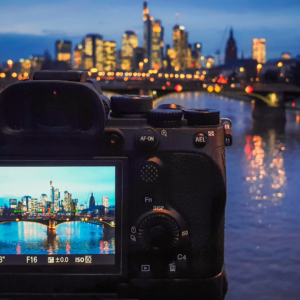

Becoming a portrait photographer requires a combination of technical skill, artistic vision, and the ability to connect with subjects. To start this journey, one must invest time in practicing photography techniques and understanding lighting, composition, and camera settings. As they build their skills, aspiring photographers should also focus on developing their unique style, which will set them apart in a competitive field.
Networking with other professionals and participating in photography workshops can provide valuable learning opportunities. Engaging with a community allows for feedback and inspiration, helping to hone one’s craft further. Experimenting with different subjects and settings enables a photographer to discover what resonates most with their artistic expression.
Success in portrait photography often involves understanding the importance of client interaction. Establishing trust and creating a comfortable environment helps in capturing genuine emotions and expressions. This critical connection not only enhances the photography process but also builds a loyal client base.
Understanding Portrait Photography
Portrait photography focuses on capturing the essence of individuals or groups. It involves more than simply taking a picture; it requires understanding the subjects and using technical skills to create compelling images.
The Essence of Portrait Photography
The key to successful portrait photography lies in connecting with the subject. Photographers should aim to reveal personality and emotion. This often involves building rapport to make subjects feel comfortable.
Lighting plays a crucial role; natural light can enhance features, while artificial lighting can create mood. Also, backgrounds should complement the subject without overpowering it. A well-chosen backdrop enhances the overall composition and directs viewers’ attention to the subject.
Effective posing is another essential aspect. Photographers can guide their subjects to achieve flattering angles and expressions.
Technical Skills Required
Mastering technical skills is fundamental for portrait photographers. Understanding camera settings—like aperture, shutter speed, and ISO—allows for precise control over the final image.
Key Technical Skills:
- Aperture: Affects depth of field. Wide apertures (e.g., f/1.8) create a blurred background, emphasizing the subject.
- Shutter Speed: Determines exposure and motion capture. Faster speeds prevent motion blur.
- ISO: Impacts the sensor’s sensitivity to light. Higher settings may introduce noise, but they enable shooting in low light.
Additionally, familiarity with post-processing software is beneficial. Editing enhances portraits by adjusting exposure, color balance, and sharpness, ensuring that the final image resonates with viewers.
Setting Up for Success
Setting up for success in portrait photography involves careful consideration of backgrounds, props, and camera settings. Each element plays a significant role in creating compelling images that resonate with the viewer.
Choosing the Right Backgrounds
The background can significantly influence the portrait’s mood and clarity. It is essential to select backgrounds that complement the subject without overpowering it. Neutral colors, such as gray or beige, often work well, allowing the subject to stand out.
One option is to use a seamless paper backdrop, which provides a clean look. For a more textured appearance, consider fabric backdrops or natural settings like parks. When choosing, ensure the background does not distract from the subject’s features.
Taking the time to experiment with different backgrounds can create diverse looks in a portfolio. Proper placement and distance help to blur backgrounds, drawing attention to the subject.
Utilizing Props Effectively
Props enhance a portrait by adding personality and context. When selecting props, consider the subject’s interests or profession. A musician, for instance, might hold an instrument, while an artist could be surrounded by brushes and canvases.
It’s crucial not to use props that clutter the image. Select a few key items that tell a story and enhance the subject’s character. Minimalism often works best in photography.
Experimenting with the arrangement of props can lead to creative compositions. Keep in mind the balance between props and the subject, ensuring that neither takes away from the other’s importance.
Camera Settings and Equipment
Proper camera settings are vital for achieving the desired effect in portrait photography. A wide aperture (like f/2.8) is commonly used to create a shallow depth of field, isolating the subject from the background.
Using a lens with a focal length of 85mm to 135mm is ideal for portraits, allowing for flattering perspectives. It’s also essential to maintain a shutter speed of at least 1/125 seconds to capture sharp images.
Lighting plays a crucial role as well. Natural light often yields soft results, while artificial lights can create dramatic effects. Understanding these settings helps photographers produce high-quality portraits that capture the essence of their subjects.
Advancing Your Photography Career
To advance in portrait photography, continuous learning is essential. Photographers can attend workshops or enroll in online courses. Engaging with experienced professionals can provide valuable insights.
Building a strong portfolio is critical. Include a variety of portraits to showcase style and versatility. Regularly update this portfolio to reflect growth and new techniques.
Networking plays a key role in a photography career. Joining local photography clubs or online communities can create connections. Participating in exhibitions can increase visibility and attract potential clients.
Setting clear goals is beneficial. Photographers should consider niche markets, such as family portraits or corporate headshots. Specializing can help differentiate oneself in a competitive market.
Marketing strategies are vital. Utilizing social media effectively can increase audience reach. Creating an engaging website with an easy-to-navigate gallery is also important.
Staying current with industry trends enhances relevance. Following photography blogs and attending industry events can provide fresh perspectives. Embracing new technologies, like editing software or equipment, can improve overall results.
Lastly, gathering client testimonials can enhance credibility. Positive reviews can influence potential clients when selecting a photographer. This can also lead to referrals, which are invaluable for business growth.