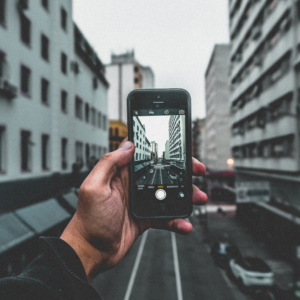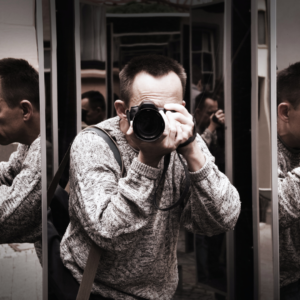
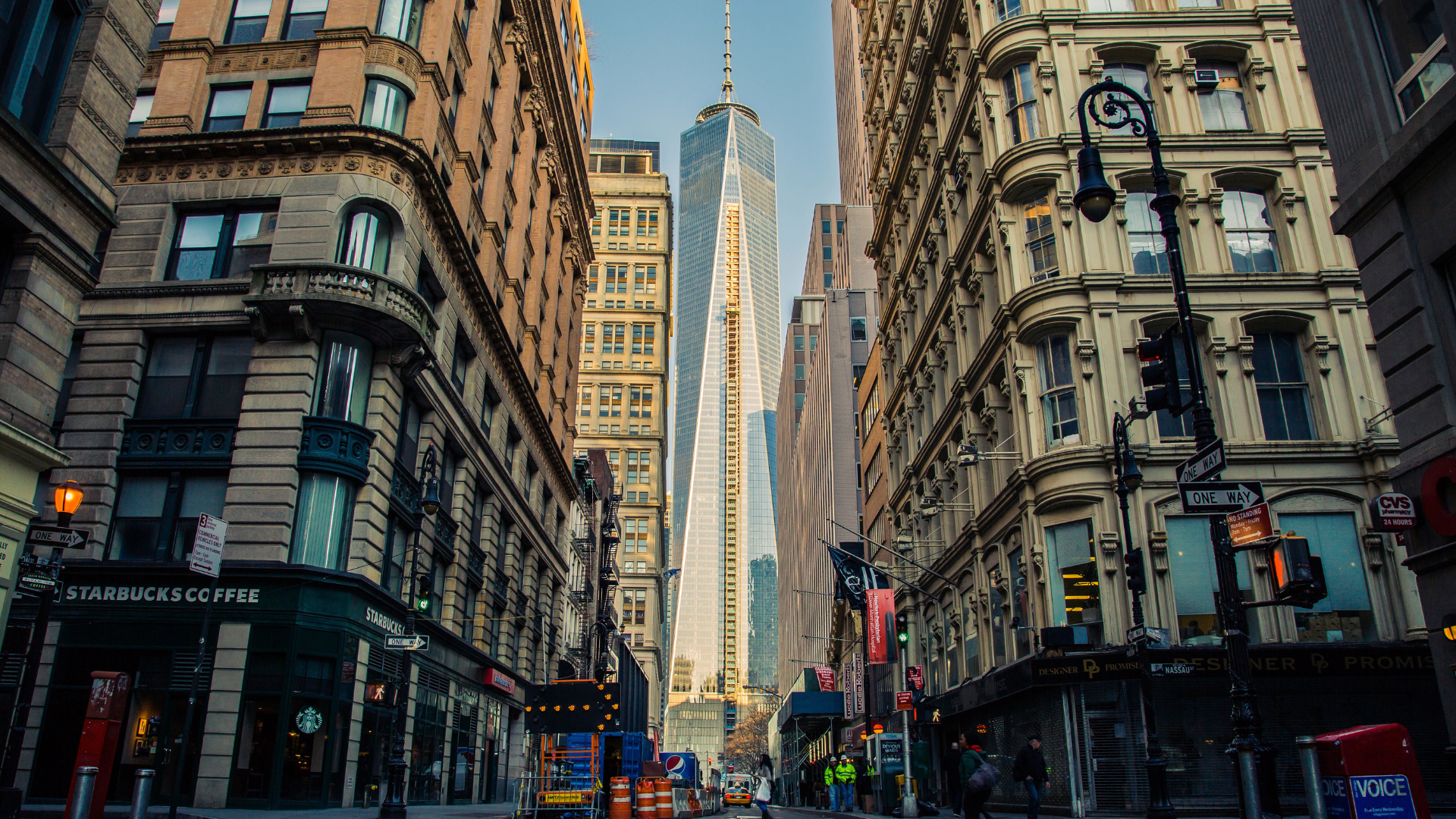
Capturing the essence of city life through photography requires a keen eye for detail and a deep appreciation for the dynamic elements that define urban environments. The key to successful city photography lies in understanding the interplay between light, architecture, and human activity. By exploring various perspectives and moments, photographers can reveal the unique stories that cities tell.
To effectively convey the vibrancy of city life, one must be attentive to the rhythms of daily existence. Whether it’s bustling street markets, quiet cafes, or lively street performers, each scene offers a plethora of opportunities to create compelling images. Emphasizing spontaneity and emotion can enrich the narrative of urban photography, making each shot memorable.
Moreover, the choice of equipment and techniques plays a significant role in capturing the city’s spirit. From wide-angle lenses to low-light settings, the right tools enhance the ability to photograph lively street scenes and architectural wonders. With practice and intention, anyone can create stunning visual representations of the vibrant life that cities embody.
Understanding the Fundamentals of City Life Photography
Capturing city life through photography involves grasping key elements such as street scenes and architectural details. Recognizing the interplay of light, shadow, and human activity can enhance the storytelling aspect of urban imagery.
The Essence of Street Photography
Street photography thrives on spontaneity and authenticity. It focuses on candid moments that reveal the essence of urban life. Photographers should be attentive to their surroundings, ready to document interactions and expressions that reflect the city’s character.
Key techniques include:
- Timing: Anticipate moments before they happen.
- Composition: Use leading lines and the rule of thirds to create dynamic images.
- Contrast: Highlight emotions against urban textures.
The goal is to evoke feelings that resonate with viewers, encouraging them to experience the city through the photographer’s eyes.
Architectural Elements as Photographic Subjects
Architecture serves as a powerful focal point in city life photography. It provides context, showcasing the environment that shapes daily experiences. Understanding different styles and their significance enhances a photographer’s ability to convey a story through buildings.
Consider these aspects:
- Form and Structure: Capture unique shapes and lines that stand out.
- Lighting: Use natural light to enhance textures and details.
- Integration with Environment: Show how architecture interacts with its surroundings, like parks or streets.
These elements can transform ordinary shots into compelling narratives, showcasing the city as a living entity.
Mastering Technical Skills for City Captures
Capturing city life through photography requires a solid grasp of technical skills. Key areas include adjusting camera settings for varying conditions, understanding the impact of lighting, and employing advanced techniques that enhance the visual appeal of urban scenes.
Adjusting Camera Settings for Optimal Shots
Camera settings play a crucial role in achieving stunning city photographs. Key adjustments include:
- Aperture: Using a wide aperture (e.g., f/2.8) allows for better low-light performance and a shallow depth of field to isolate subjects. Conversely, a smaller aperture (e.g., f/11) increases depth of field, making more of the scene sharp.
- Shutter Speed: Fast shutter speeds (1/500s or faster) freeze motion, ideal for bustling street scenes. Slower shutter speeds are useful for capturing movement, like flowing traffic or people in motion.
- ISO Settings: In low-light settings, increase ISO (e.g., 800-3200) to maintain exposure, but be cautious of noise at higher sensitivities.
The Role of Lighting in Composing City Shots
Lighting profoundly influences the mood and clarity of city photographs.
- Golden Hour: Shooting during the golden hour, shortly after sunrise or before sunset, provides soft, warm light that enhances colors and reduces harsh shadows.
- Artificial Light: City lights offer opportunities for vibrant night photography. Adjusting the shutter speed and ISO can help capture the beauty of illuminated architecture and lively street scenes.
- Reflections: Locations with wet surfaces or glass structures can produce captivating reflections. Positioning the camera strategically can turn these elements into unique compositional features.
Advanced Techniques: Long Exposures and ND Filters
Long exposure techniques are essential for creating dramatic city landscapes.
- Long Exposures: They work by using slow shutter speeds (1 second and longer) to blur motion, like car lights or flowing water. A tripod is necessary to avoid camera shake.
- ND Filters: Neutral Density (ND) filters reduce the light entering the lens, allowing for longer exposures in bright conditions. They help create smooth water effects or convey motion blur despite bright daylight.
Utilizing these skills and techniques can lead to impressive city captures that reflect the dynamic essence of urban life.
Creative Aspects of Urban Photography
Urban photography offers a unique opportunity to explore the vibrant dynamics of city life. By focusing on public places and the contrasting elements within society, photographers can capture the essence of everyday experiences.
Capturing the Dynamics of Public Places
Public spaces are teeming with life and energy. Photographers should pay attention to the interactions that occur within these environments.
Key elements to consider include:
- Movement: Freeze moments of people interacting or commuting.
- Architecture: Use buildings as backdrops to convey scale and context.
- Lighting: Capture scenes during different times of day for varied moods.
Utilizing these aspects can create compelling narratives that reflect urban life. Candid shots of individuals or groups can highlight the vibrancy found in public areas like parks, plazas, and markets.
Highlighting the Contrast Between Society and Solitude
Urban settings often juxtapose solitude against the backdrop of a bustling society. This contrast can evoke strong emotions and tell deeper stories.
To effectively capture these elements, photographers might:
- Seek Isolated Figures: Look for individuals within crowded spaces to highlight solitude.
- Use Framing: Incorporate architectural features to frame solitary subjects against the busy scene.
- Contrast in Color and Tone: Play with color grading to emphasize the distinctiveness of solitary moments.
Such contrasts can reveal insights into the human condition and the complexities of urban life, enriching the visual storytelling in urban photography.
Post-Processing and Ethical Considerations
Post-processing can significantly enhance urban photography, yet it requires careful navigation of ethical standards. Understanding the implications of cropping and editing is crucial for photographers telling stories through their work.
The Impact of Cropping and Image Editing
Cropping adjusts a photo’s composition, emphasizing key subjects and removing distractions. It can dramatically alter the viewer’s perception.
Benefits of Cropping:
- Focus on essential elements.
- Create balanced visual narratives.
Image editing involves adjusting exposure, contrast, and colors. Ethical editing maintains the integrity of the original scene while improving its presentation.
Key Considerations:
- Avoid excessive alterations that misrepresent reality.
- Ensure edits respect the context of the photograph.
In photojournalism and documentary photography, the balance between artistic vision and factual accuracy is essential.
Ethics in Street and Documentary Photography
Ethical considerations are vital when capturing city life. Photographers must respect their subjects and the stories they tell.
In street photography, consent can be complex. Many argue that candid shots of public life enhance storytelling.
Ethical Guidelines:
- Acknowledge privacy concerns.
- Seek permission when possible, especially for close-up portraits.
Photographers should avoid the manipulation of facts through heavy editing. Misleading images can undermine trust in photographic work.
Documentary photography, often aimed at social commentary, carries additional ethical weight. Photographers can shape perceptions; thus, they must strive for honesty and respect the subjects’ dignity.